How to Brew Taiwanese Oolong: Temperature, Time &
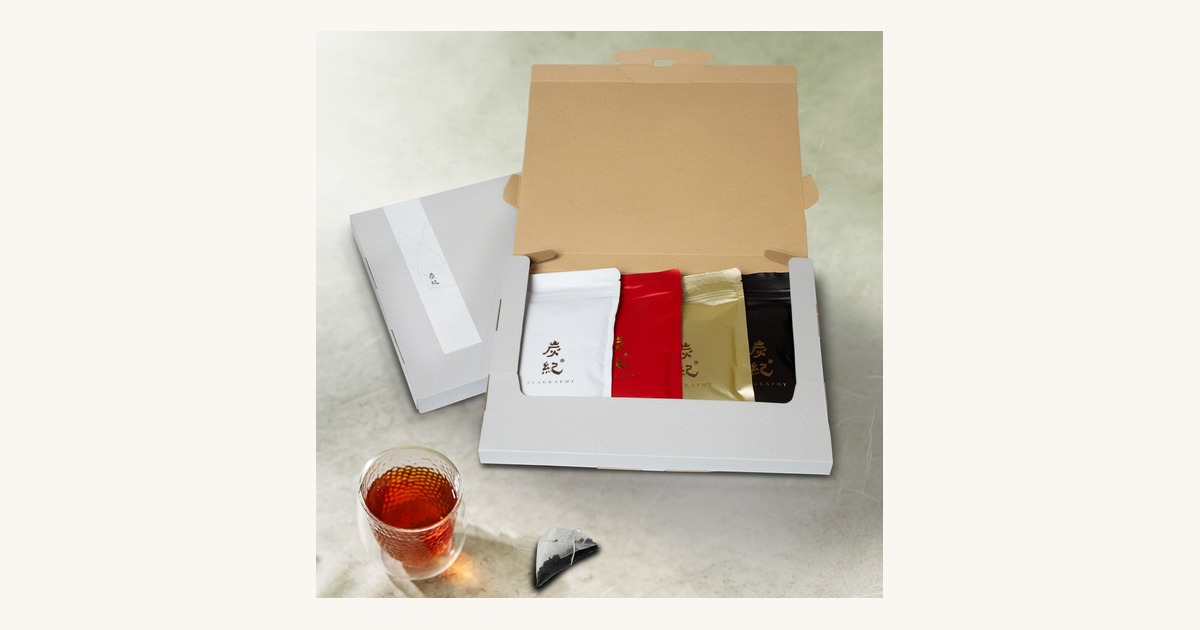
- Taiwanese oolong rewards hot water, a generous leaf feel, and patience—sweetness often arrives late in the steep.
- Exact grams, millilitres, and minutes vary by product; always check the Teagraphy product page for that tea.
- Round, cloth-rolled leaves unfurl slowly, so the same leaves can be infused multiple times.
- Rinse briefly if you like, then brew; taste early and late in the window to learn your preferred strength.
- Tea bags need a simpler cup method; loose leaf shines in a small pot or gaiwan for multiple rounds.
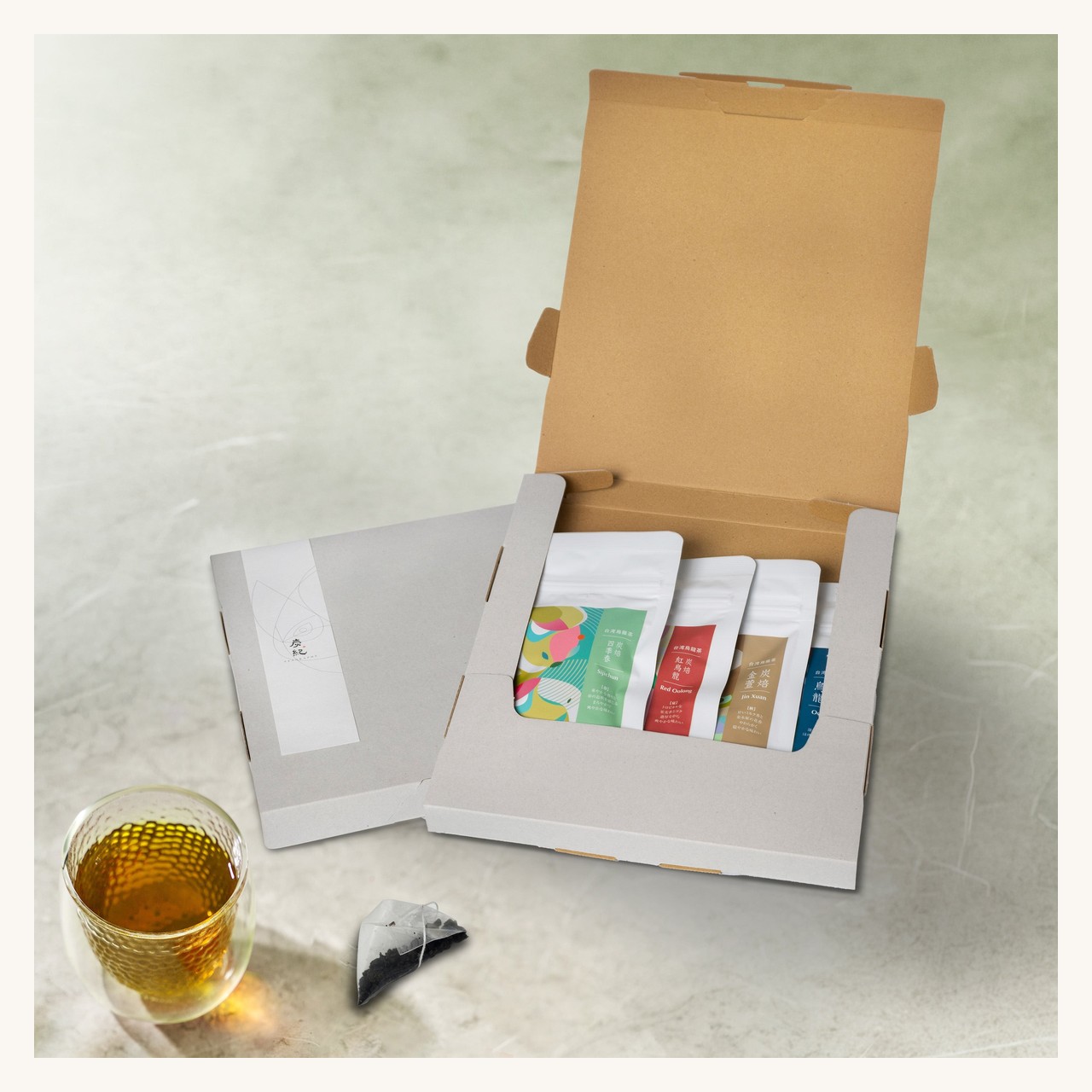
How to brew Taiwanese oolong: use properly hot water, give tightly rolled leaves time to open, and plan on more than one infusion. Exact leaf weight, water volume, and minutes differ by tea—so treat this as a method guide, then follow the numbers on each Teagraphy product page when they are listed.
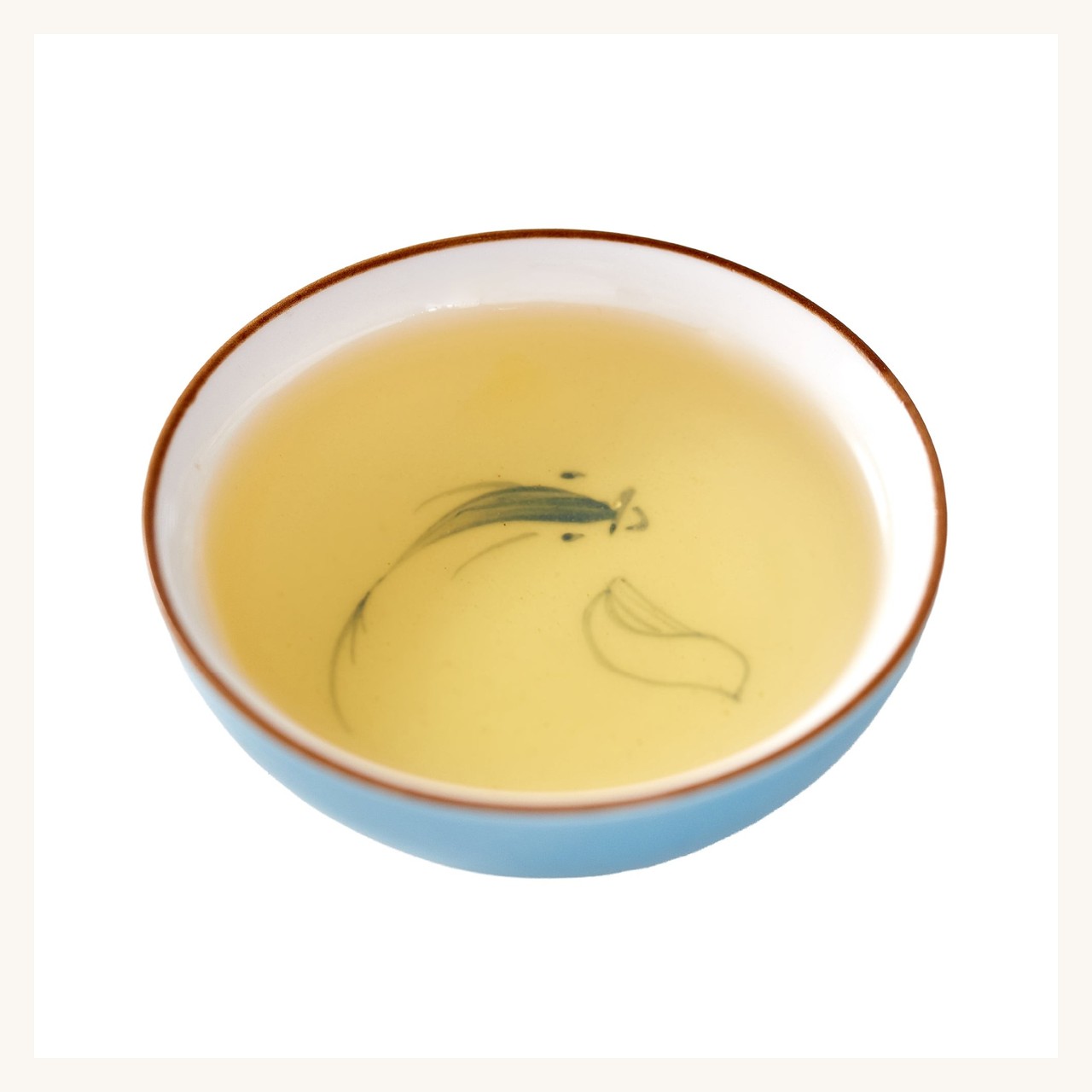
What you need
- Taiwanese oolong (loose leaf or Teagraphy tea bags)
- A small teapot, gaiwan, or mug
- Fresh water brought to a full, lively heat
- A fair cup or sharing pitcher if you are brewing for more than one person
Teagraphy’s charcoal-roasted leaves from Nantou are shaped by cloth-rolling. That round form is why the leaf expands slowly and why re-steeping feels natural rather than forced.
Oolong tea brewing temperature (qualitative guide)
For charcoal-roasted Taiwanese oolong, aim for water that is fully hot—the kind of heat that lets aroma bloom as soon as it hits the leaf. Cool water leaves rolled leaf closed and the cup tasting flat. If a product page states a temperature band, use that band; do not invent a single number for every SKU.
Practical tip: heat water to a rolling boil, then pour. If you are brewing a very delicate high-mountain style from the range, still start hot and shorten time rather than starting lukewarm—unless the product page says otherwise.
Oolong tea steeping time & tasting window
Steeping time is where most home brewers go short. Rolled Taiwanese oolong often shows its sweetness and throat-feel toward the end of a full steep. If you stop early, you may only taste the front aroma.
Work like this:
- Measure leaf by the product page (or start with a visually generous pinch for a small pot).
- Optional brief rinse: hot water on, off, discard.
- Steep for the recommended window on the product page.
- Taste a sip mid-way and again at the end—learn where your preferred balance sits.
- Pour out completely so the leaves do not stew between rounds.
We are not listing fixed grams, millilitres, or minutes here because those values should match the official product you hold. When Teagraphy publishes brew specs on a product page or pack, those are the numbers to trust.
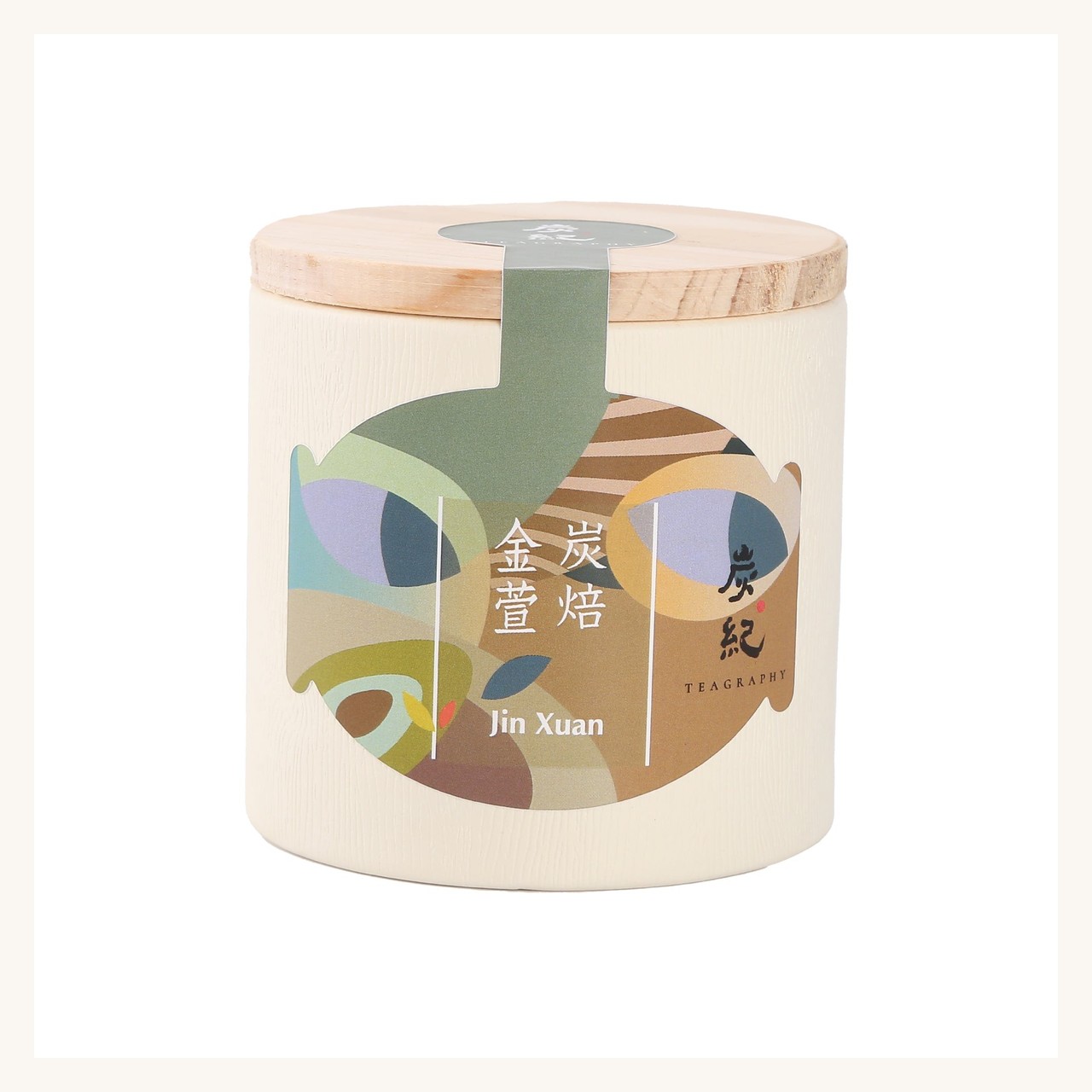
How to re-steep Taiwanese oolong
After the first infusion, the leaf is partly open. Later rounds usually need a little less time at first, then gradually more as flavour softens—adjust by colour and taste. Keep going while the liquor stays fragrant and sweet. Cloth-rolled Taiwanese oolong is built for this rhythm; it is one of the pleasures of the style.
Tea bag method (everyday cup)
For Teagraphy tea bags from the Four Seasons series, keep it simple: place the bag in your cup, pour hot water, and wait until the liquor looks inviting and smells rich. Give the bag space to move. You can often refresh with a second pour for a lighter second cup—taste and decide.
Cold brew note
Some Teagraphy product tags mention cold-brew tea as a serving idea. Cold brew is longer and gentler: use cool water in the fridge and taste until sweetness appears without bitterness. Again, prefer any pack-specific advice when available.
A short checklist before you pour
- Water hot enough to open rolled leaf
- Leaf amount matched to your vessel
- Patience through the steeping window
- Full pour-out between infusions
- Product-page numbers when provided
Choose a Teagraphy oolong and brew from its product guidance · Learn why charcoal roasting shapes flavour